Hero image

Malted Excellence, Sustainably Crafted

For over five generations, Dingemans has produced high-quality malts while reducing environmental impact through responsible sourcing, energy efficiency and continuous process innovation.

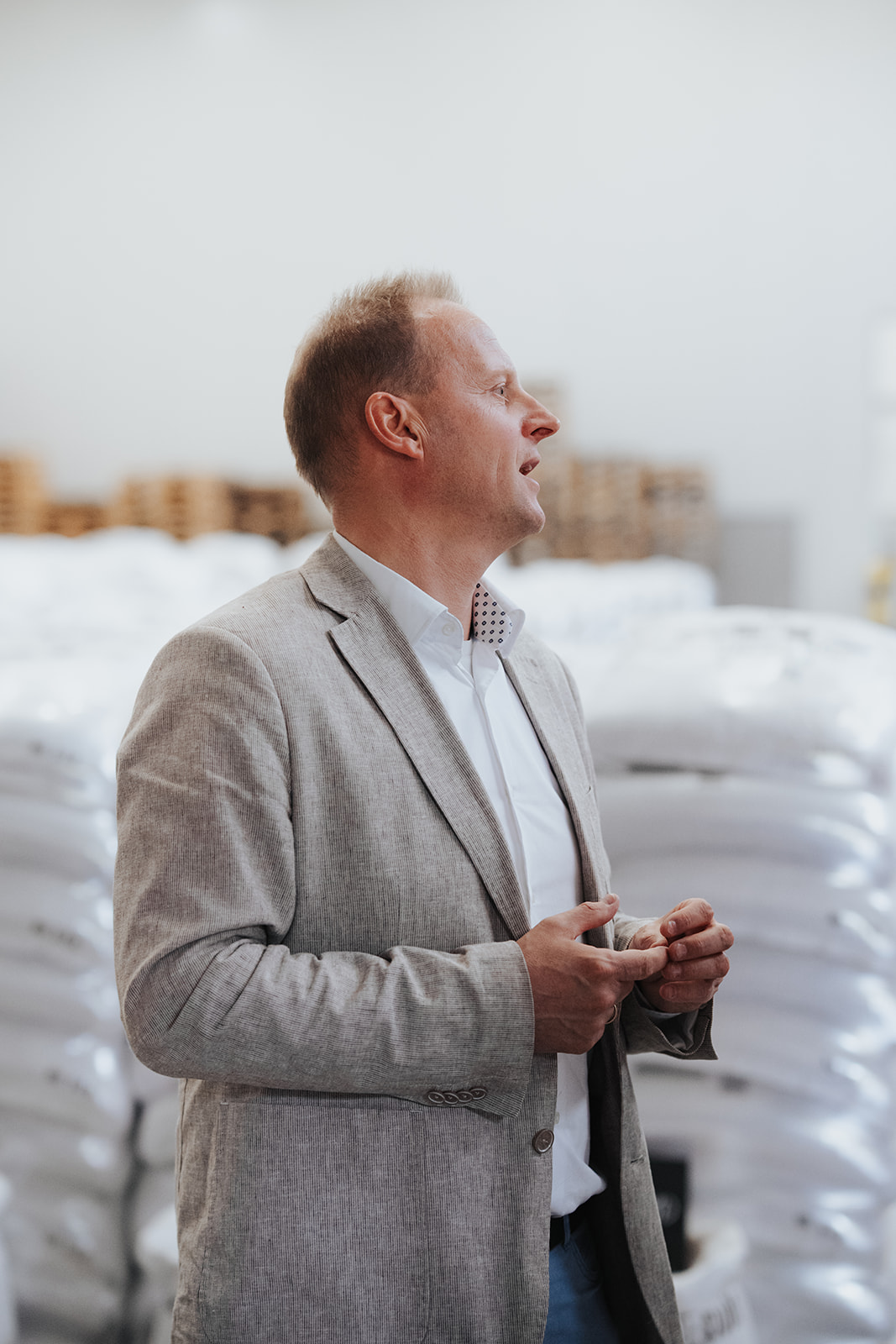
Message from Karl Dingemans

Over the past year, we strengthened our sustainability performance while continuing to invest in efficient, future-proof malt production. Two combined heat and power units supplied between 50% and 87% of the company’s electricity needs, complemented by on-site solar generation and ongoing energy-saving measures. Our newer malting facility delivered a 50% reduction in water consumption, a crucial improvement given the increased importance of water conservation.

We also advanced sustainable sourcing: 80–90% of our barley is now SAI-certified, and organic barley represents around 7% of our purchases. Additionally, we participated in regenerative and low-carbon barley programmes that support upstream emission reductions.

Circular principles remain embedded in our operations, with side streams valorised into animal feed, biogas production and soil improvement. As we prepare a full climate transition plan for 2027, these achievements reinforce our long-term commitment to responsible growth, operational resilience and continued support for breweries worldwide.

Karl Dingemans
CEO Mouterij Dingemans
Message from our CEO

A Tradition of Malt, A Future of Responsibility

Dingemans is a fifth-generation Belgian family malthouse producing a comprehensive range of kilned, caramelised, roasted, specialty and organic malts for breweries and food manufacturers around the world. Since 1875, Belgian brewers—including producers of Trappist, Lambic and abbey beers—have relied on our malts for consistency, flavour and performance. Today, our products reach international brewers while we continue integrating sustainability through energy efficiency, responsible sourcing, circularity, and rigorous ISO-certified food-safety systems.

Our mission

We craft premium malts rooted in tradition and elevated by responsible, future-ready production.

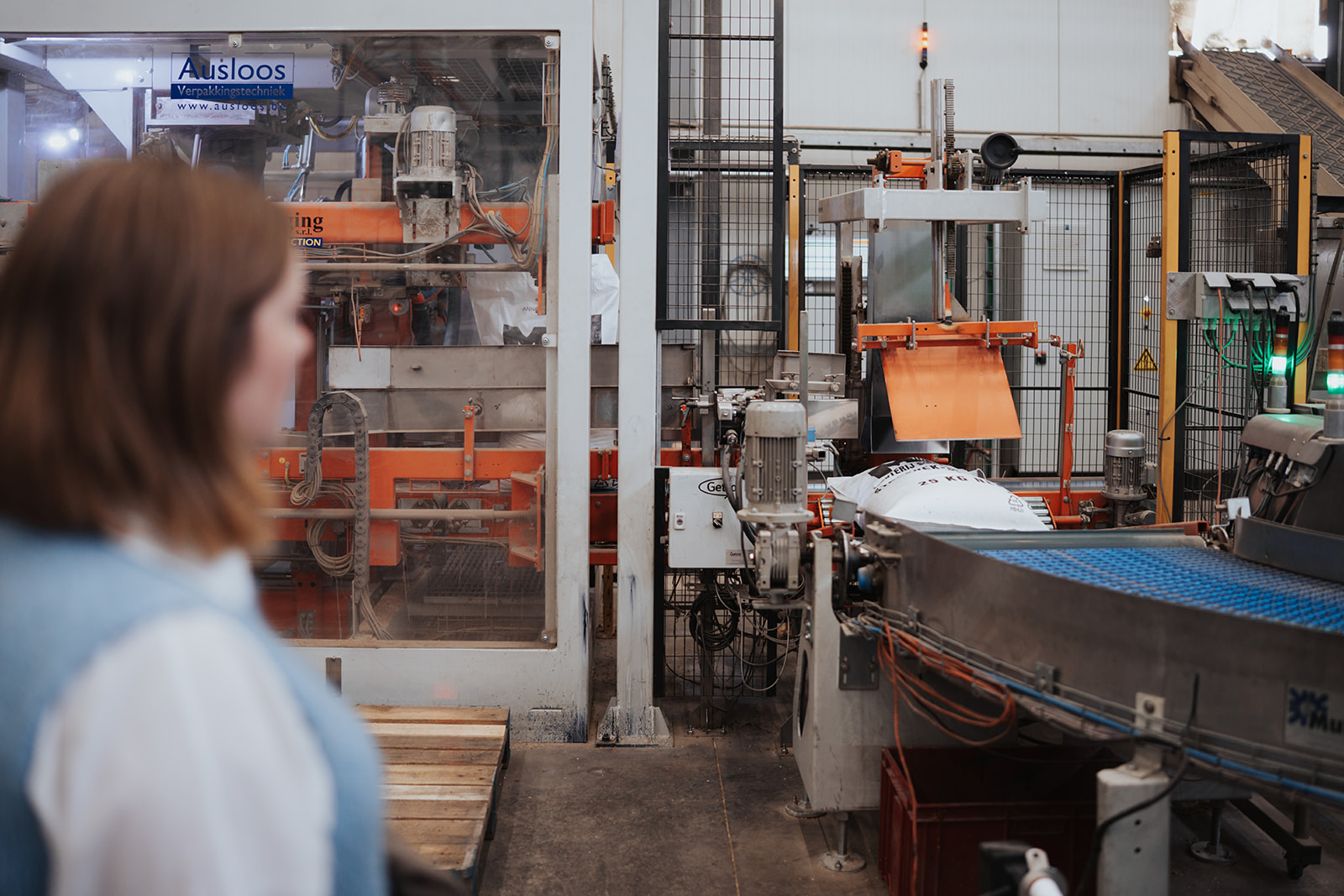
Our mission is to supply breweries and food manufacturers with high-quality, reliable malts produced through responsible sourcing and efficient, safe operations. This includes maintaining long-term relationships with grain cooperatives, sourcing SAI-certified and organic barley, investing in energy-efficient systems, and upholding strict laboratory and food-safety controls. Every batch reflects our commitment to quality, transparency and sustainability.
Our mission

Our vision

A resilient malt supply chain built on innovation, sustainability and long-term partnerships.

We aim to build a resilient malt value chain powered by lower-emission energy, advanced food-safety management, and sustainable farming practices. This includes further reducing emissions through future renewable heat technologies, advancing regenerative barley programmes, and continuing responsible water use in a high-stress region. Our planned climate transition plan, expected by end of 2027, will guide these long-term ambitions.

Our vision

Core activities

Producing kilned, caramelised, roasted, specialty and organic malts for global B2B markets.

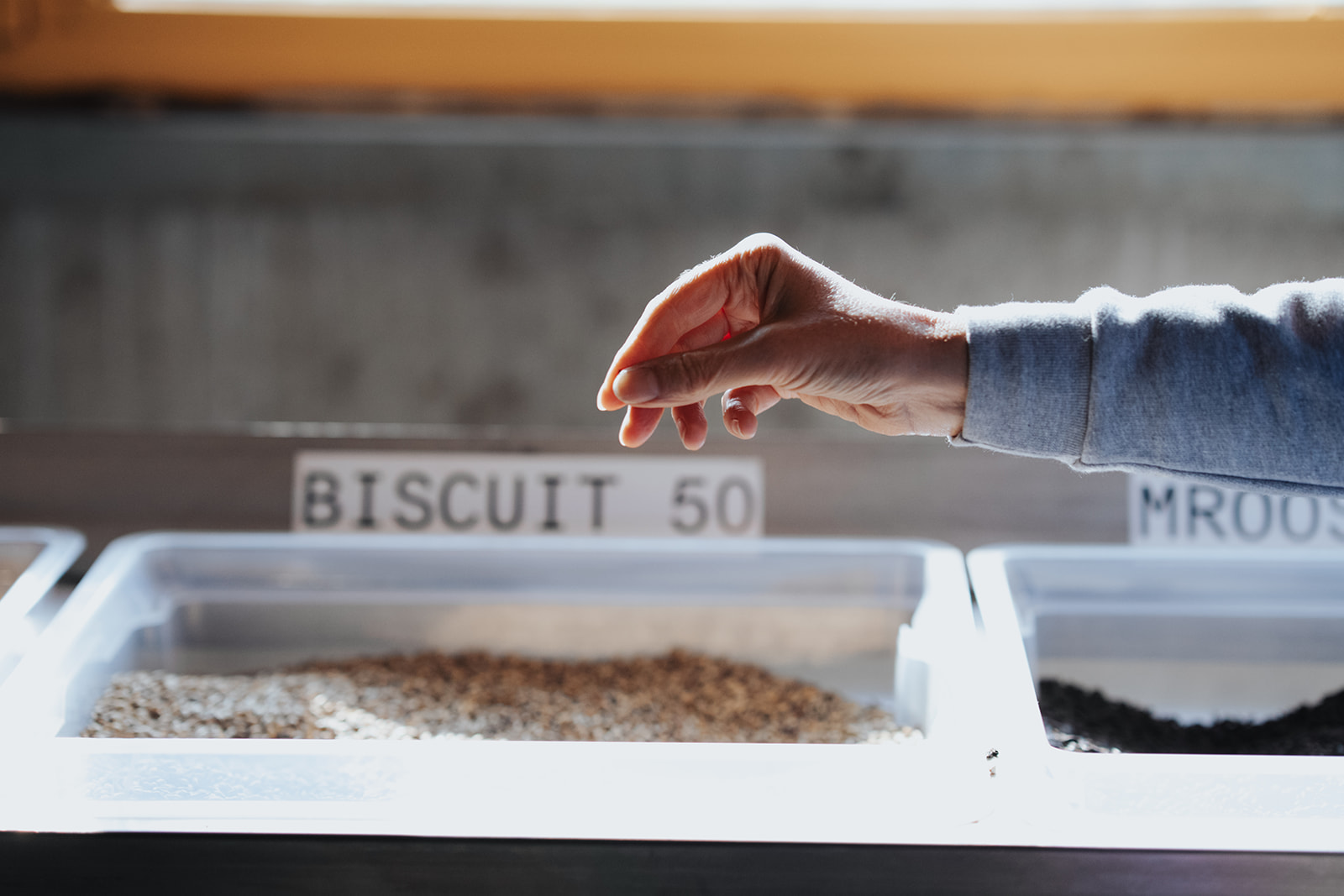
Our activities span the full malting process, from sourcing barley through a network of long-term European partners to producing a wide range of malt types used by breweries, millers and food manufacturers. With over 80–90% SAI-certified barley and a growing BIO range, we combine technical expertise with certified sourcing, extensive quality control, and customer-focused service across domestic and international markets.
Core activities
Our Targets and Commitments
Driving Progress Through Sustainability
🌍
Emissions Reduction
We commit to reducing emissions by optimizing our energy-intensive malt production, particularly via efficient combined-heat-and-power (CHP) installations and renewable energy, continuously lowering the carbon footprint of our operations.
Energy Transition
We improve our energy performance through a combination of high-efficiency technologies. Two CHP units currently supply about 87% of the company’s electricity and avoid roughly 750 tonnes of CO₂ each year, while on-site solar panels generate around 3% of electricity demand. The company continues to assess additional measures to further reduce scope 1 emissions, in line with customer expectations and its long-standing focus on energy-efficiency improvement
🐝
Biodiversity
Through responsible procurement of grains and attention to local agro-ecosystems, we commit to sourcing from suppliers that respect sustainable farming practices, thereby contributing to biodiversity and local environmental stewardship.
♻️
Waste & Material Efficiency
We reduce waste in malt production by applying circular economy principles throughout our operations. Side streams such as malt germs and sieved barley are valorised into animal feed, husks are sent to biogas fermenters, and sludge from water treatment is partially reused as a soil improver. We also avoid unnecessary packaging by delivering most malt in bulk and using recyclable big bags for the remainder.
👷
People & Workforce
We maintain a safe and supportive workplace by prioritising employee well-being, offering stable employment through permanent contracts, and ensuring strong health and safety measures such as training and personal protective equipment. We invest in continuous skills development to enhance employability and career opportunities, while upholding an open, ethical company culture that promotes equal opportunities and avoids discrimination.
Our initiatives
See how we’re committed to advancing sustainability
Advancing Low-Carbon Malt Production
Mouterij Dingemans invests in energy-efficient technologies and renewable-energy alternatives to reduce Scope 1 emissions and prepare for future climate-transition requirements.
Strengthening Resilience to Physical and Market Climate Risks
The company evaluates key climate-related hazards, droughts, heatwaves, and transition risks to safeguard raw material security, operations, and market access.
Combined Heat & Power and Solar Integration
Two CHP units provide 50–87% of electricity while recovering process heat. 750 solar panels generate around 3% of annual electricity use.
Exploring Future Low-Carbon Technologies
Planned measures include evaluating heat pumps running on green electricity, linking into an industrial heating network, and assessing feasibility for a wind turbine.
Adapting to Drought and Heat Impacts on Barley
Droughts and heatwaves affect barley yields and quality. Dingemans responds with supplier-region diversification, alternative grains research (AlterBrew), and crop-variety diversification.
Navigating Climate-Driven Market Expectations
Major customers require CO₂-reduction commitments, and Dingemans participates in low-CO₂ barley projects to meet these expectations.
Key Figures 2024
COMPANY
Fifth-generation family-owned
maltster since 1875
100%
independent
EMPLOYEES
Numbers of employees
38
ENVIRONMENT
GHG emissions (Scope 1 + 2)
8,720
tCO₂e (2024)
Total energy consumption
47,145
MWh (2024)
Volume of extracted water
297,527
m³ (2024)

Driving change

FSSC 22000 Certification Marks New Food-Safety Milestone

Mouterij Dingemans successfully passed the FSSC 22000 audit, achieving an internationally recognised food-safety certification that covers the malting process from raw-material intake through to final dispatch. This certification reinforces the company’s commitment to structured food-safety management, consistent product quality and reliability for breweries and food manufacturers worldwide.

EU Organic (BIO) Certification – BE-BIO-02

Certified by TÜV NORD INTEGRA, this certification covers the organic production of selected malts. It confirms full compliance with EU organic regulations across production, handling and traceability. (Certification date: 2024-02-28)

ISO 22000:2018 — Food Safety Management

ISO 22000:2018 certification confirms that Dingemans has a structured food-safety management system addressing client expectations, employee training, allergen information, and integration of climate considerations. (Certification date: 2024-06-14)

Verified ESG Processes

The company voluntarily participates in the Belgian Energy Policy Agreement (EBO), whose implementation is externally verified by the VBBV verification bureau. This provides independent oversight of energy-efficiency and climate-related measures.